


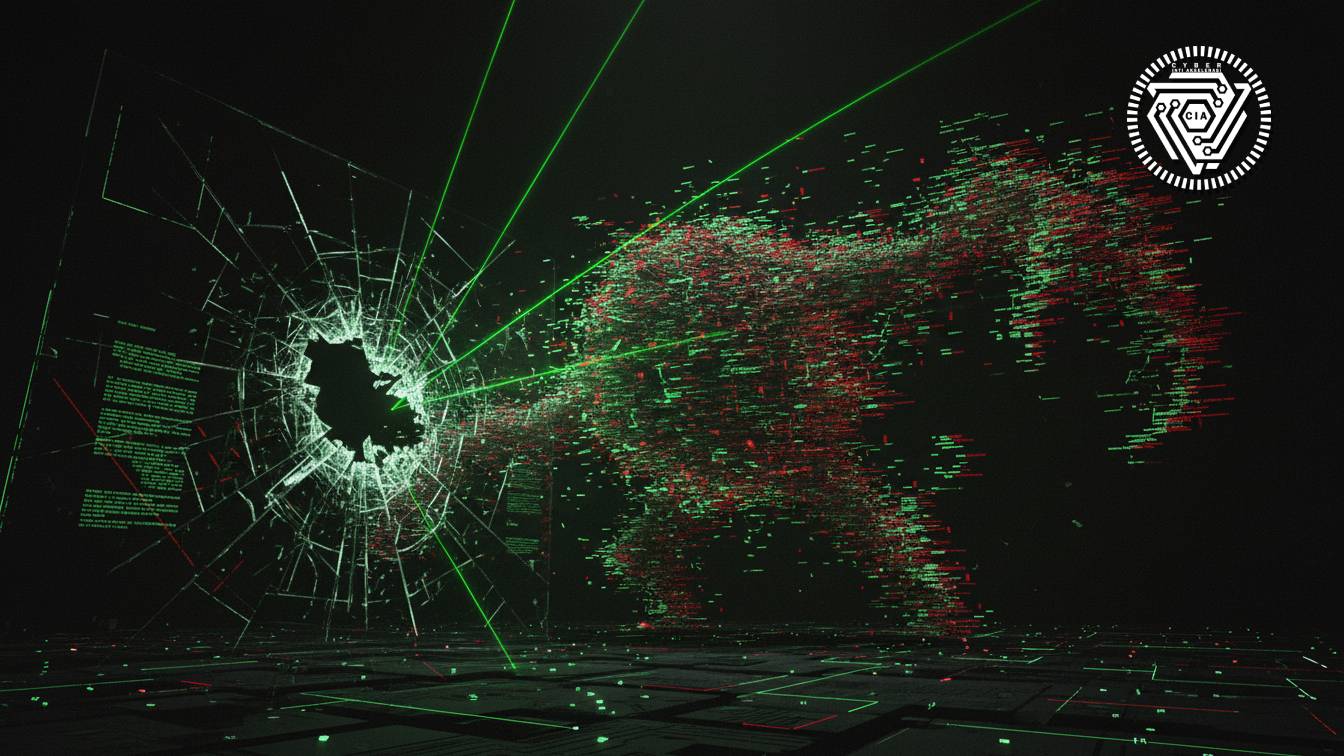
In the past, antiviruses worked by matching virus 'fingerprints' (signatures) against a database. If matched, block. In 2026, this method is dead. We are facing AI-Driven Polymorphic Malware. This virus type uses Generative AI (similar to small LLM engines) to rewrite its own source code every time it replicates to a new device. The function remains the same (stealing data/ransomware), but syntax structure, variable names, and instruction order change completely, resulting in always unique file hashes.
Technical Analysis: Mutation Engine
This malware mutation engine doesn't just do simple encryption (packing), but performs actual automatic code refactoring. Mathematically, the number of variations generated is nearly infinite. This renders signature-based antivirus databases useless in seconds. Even sandbox environments are often fooled because this malware features 'environment awareness'—it won't activate if it detects it's running inside a virtual machine simulation.
Solution: Behavioral Analysis (EDR)
The only way to fight intelligence is with intelligence. Tip for CybermaXia clients: Ditch free antiviruses. Switch to behavior-based EDR (Endpoint Detection and Response) solutions. EDR doesn't care what the file 'looks like'; it cares what the file 'does'. If a calculator file (calculator.exe) suddenly tries to access the Windows registry and send encrypted data to a foreign IP, EDR kills it instantly. Cyber war is no longer about virus databases, but process behavior anomalies.