


In 2026, downtime is no longer an option. Modern IT systems are required to have 'self-healing' capabilities. This tutorial discusses advanced techniques combining Kubernetes with eBPF (Extended Berkeley Packet Filter). Why eBPF? Because this technology allows us to run sandboxed programs inside the OS kernel without changing source code or reloading modules. This provides deep-level visibility impossible to achieve with traditional monitoring.
Solution Architecture
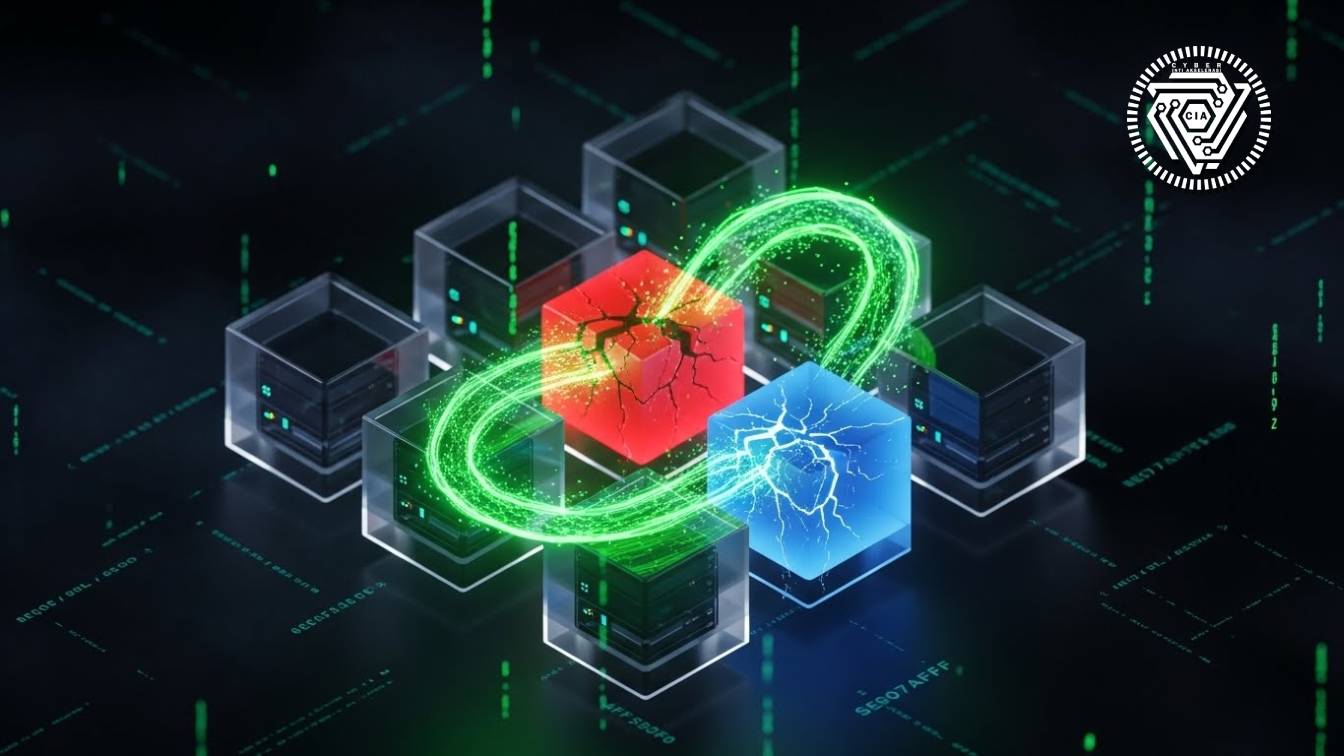
The concept is to create an 'Autonomous Loop'. The eBPF agent monitors syscalls at the kernel level. If an anomaly is detected (e.g., memory leaks or unnatural network latency in a specific pod), this agent sends a signal to a custom Kubernetes Operator we create. This Operator then executes remediation logic: restarting pods, blocking attacker IPs, or performing automatic deployment rollbacks.
Implementation Steps:
- Install Cilium: Use Cilium as the CNI plugin as it is built natively on eBPF.
- Hubble Observability: Enable Hubble to visualize communication maps between microservices. This helps us define normal vs anomaly thresholds.
- Write Custom Controller: Use the operator SDK (Go or Python) to listen to metrics from Prometheus supplied by eBPF. Build the remediation logic here.
Scientifically, this approach reduces MTTR (Mean Time To Recovery) from hours (human intervention) to milliseconds (machine automation). For CybermaXia clients, this means a tangible 99.999% SLA, not just marketing promises. We are moving operational intelligence from passive monitoring dashboards to active kernel actions.